

World Wars in the Air
The Evolution of Aerial Combat: From Biplanes to Jets
Aerial Combat
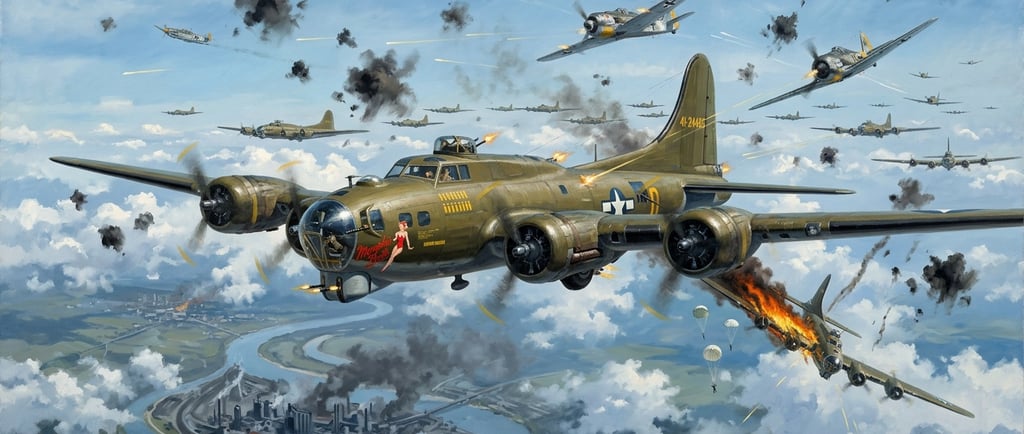
Aerial combat played a crucial role in military strategies during the world wars, significantly altering the landscape of battle. Since the advent of aviation, the armed forces began exploring the potential of aircraft, which led to the development of new tactics and technology. In a context of global conflicts, the need for air superiority became a determining factor for the success of military operations.
In World War I, biplanes and seaplanes were the first aircraft used in combat, focusing primarily on reconnaissance and bombing missions. Gradually, aerial combat evolved, moving from an auxiliary support role to a central element in war strategies. The ability to attack ground targets and intervene directly on the battlefronts demonstrated the importance of aviation in the contest for air dominance.
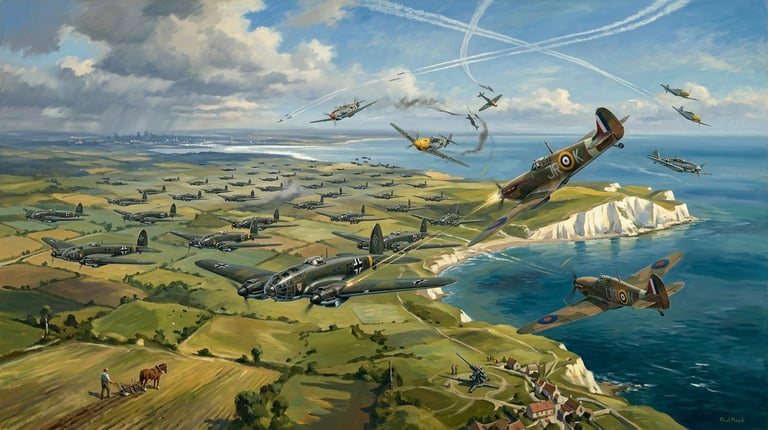
With World War II, the evolution of aerial vehicles accelerated even further. Jet aircraft began replacing propeller models, providing greater speed and maneuverability. The use of fighters and bombers became vital, allowing nations to carry out massive operations. Soon, warfare was no longer limited to land and naval combat; the sky became a territory of struggle, where air supremacy could decide the outcome of major campaigns.
Aerial combat, therefore, not only transformed the way wars were conducted but also made military powers recognize the need to invest in research and development to remain competitive. Thus, aviation solidified itself as one of the pillars of modern warfare strategies, reflecting its continuous importance across the various facets of military combat.
Biplanes: The Beginning of Military Aviation
Biplanes represent a significant milestone in the history of military aviation, especially during World War I. These airplanes, characterized by their two stacked wings, offered a combination of stability and maneuverability that revolutionized the aerial combat tactics of the era. At the beginning of the conflict in 1914, aviation was still an emerging concept, but it soon became a vital part of military operations.
Biplanes were employed in various roles, including reconnaissance, bombing, and direct combat. Aerial reconnaissance, for instance, allowed commanders to obtain crucial information about enemy positions, facilitating the execution of more effective strategies. Additionally, the introduction of armaments onto biplanes made direct engagements between enemy airplanes possible, turning the aerial battle into a new dimension of war.
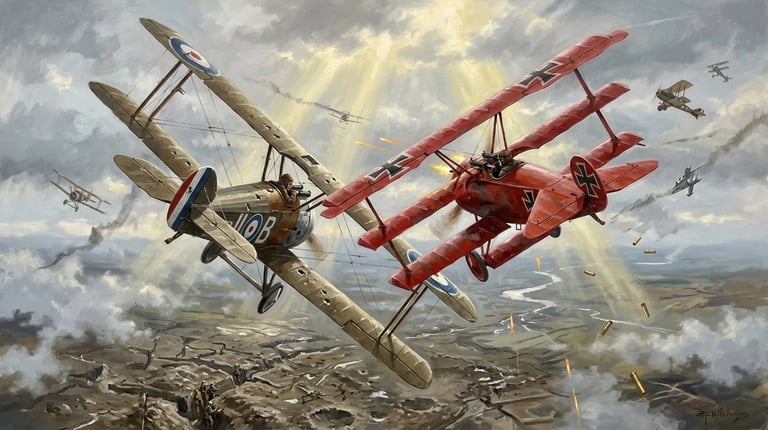
Iconic models such as the Sopwith Camel and the Fokker Dr.I stood out during this period, each contributing to the evolution of aerial combat tactics. The Sopwith Camel, for example, was known for its agility and maneuverability, making it a feared adversary in dogfights (aerial combats). On the other hand, the Fokker Dr.I, famous for its triplane design, provided excellent climb rates and visibility, helping to create a new era of flying aces, such as the famous Manfred von Richthofen, the "Red Baron."
The use of biplanes during World War I not only changed how battles were fought but also laid the groundwork for the future development of military aircraft. As conflicts continued, the lessons learned from using biplanes would shape military aviation in the following decades, paving the way for the jet fighters that would dominate the skies in subsequent wars.
Aviation in World War I
World War I, which spanned from 1914 to 1918, was a milestone in the history of aviation. Although airplanes were primarily used for reconnaissance at the beginning of the conflict, their importance quickly evolved into a more comprehensive role within military strategies. The nations involved in the war realized that control of the airspace was vital for the success of land and naval operations.
Biplanes, which were the predominant aviation technology of the time, began entering combat, marking the beginning of aerial battles. These encounters, known as dogfights, transcended simple reconnaissance and grew to involve complex tactics that included evasive maneuvers and the use of light weaponry, such as machine guns mounted on the aircraft. Pilots like the famous Red Baron became legends, symbolizing a new type of military heroism.
In addition to dogfights, World War I also saw the introduction of new warfare strategies. Aircraft were used for strategic bombing, targeting enemy infrastructure and causing significant damage. Aerial communication brought a new dimension to force coordination, allowing critical information to be transmitted rapidly between military commands and troops on the battlefield.
Therefore, aviation in World War I not only illustrated emerging technological capabilities but also consolidated a new paradigm in how wars were waged. As conflicts intensified, aviation became an essential component of military operations, foreshadowing the decisive role that aerial combat would have in future conflicts.
Transition to Monoplanes and Advanced Technologies
During the 1930s, aerial combat underwent a significant evolution, especially with the transition from biplanes to monoplanes. This period was characterized by technological innovations that transformed how aircraft were designed and how pilots executed combat tactics. Biplanes, which dominated early aerial warfare, featured two-wing structures that provided stability and maneuverability. However, as performance demands in combat increased, it became evident that the monoplane configuration offered distinct advantages.
Monoplanes, with a single wing, were more aerodynamic, resulting in higher speed and altitude capabilities. This configuration not only improved fuel efficiency but also allowed for more agile maneuvers during aerial confrontations. The introduction of lighter materials, such as aluminum alloys, and new construction techniques made the manufacturing of faster and more effective aircraft possible. Furthermore, the evolution of aircraft engines, which became more powerful and reliable, was crucial to supporting the demands of the new monoplanes.
The transition to monoplanes also forced a shift in aerial combat tactics. Pilots began adopting strategies that utilized superior speed and the ability to operate at higher altitudes. This resulted in a new dynamic in aerial duels, where the pursuit of tactical advantage intensified. With the advent of key technologies, such as radio communication and early weapons systems, aerial combat became more complex and strategic, reflecting the evolution of military thought at the time.
World War II: The Jet Revolution
World War II was a significant turning point in the history of aerial combat, characterized by the introduction of jet aircraft that revolutionized how wars were fought. Driven by the need for greater speed and maneuverability, airplane designs evolved rapidly, leading to the development of jet models that challenged the previous limits of military aviation.
One of the most notable among these models was the Messerschmitt Me 262, which stood out as the first jet fighter used in combat. With a top speed exceeding 800 km/h, the Me 262 not only surpassed traditional propeller aircraft in performance but also introduced new tactics to aerial combat. This fighter was a game-changer, establishing a milestone in aerial operations since it enabled faster and more efficient attacks against enemy forces.
Jets like the Me 262 did not only change the dynamics of battles; they also influenced military strategy in a broader context. The ability to intercept allied bombers and carry out lightning-fast attacks allowed Axis air forces to utilize more aggressive tactics, altering perceptions and expectations regarding the role of aviation in future wars. This technological innovation illustrated the urgency with which warring parties sought air superiority, reflecting the arms race of the era.
In addition to the Me 262, other jet projects, such as the British Gloster Meteor, contributed significantly to unlocking the potential of jet aircraft. These developments not only provided a new dimension to aerial combat but also laid the foundation for modern military aviation, where speed and efficiency became essential. Understanding this transition from biplanes to jets is vital to appreciating how aerial combat evolved into what is known today.
Impact of the World Wars on Modern Aviation
The World Wars were decisive milestones that transformed military aviation, shaping not only national air forces but also establishing the foundation for modern aviation. During World War I and World War II, the drive for air superiority led to the rapid evolution of technology, tactics, and combat doctrines. This push for innovation resulted in significant performance improvements in airplanes, which are reflected in the principles and practices adopted by contemporary air forces.
With World War I, aerial combat came to be seen as an integral part of military operations. Biplanes and, later, monoplane fighters introduced aviation as an essential means for reconnaissance and air support. The combination of technologies, such as synchronized machine guns and faster planes, altered how battles were fought on the ground, influencing the development of combat doctrines that prioritized air superiority.
World War II brought even more significant innovations. The advent of jets and the use of heavy bombers allowed air forces to reach new heights of range and destruction. Combat tactics like the Blitzkrieg integrated aerial and ground operations, showing the importance of controlling the airspace. Additionally, the use of radios and radar systems elevated coordination levels, impacting how aerial combats were conducted and planned.
The lessons learned from these wars are still visible in modern air forces today. Today, aviation incorporates technologies such as drones and electronic warfare systems, which have their roots in the experiences gathered from past conflicts. Thus, the World Wars did not just transform aircraft; they redefined military strategies and the organization of air forces worldwide.
The Future of Aerial Combat
From its beginnings with rudimentary biplanes to the sophisticated use of combat jets, aerial combat has been constantly influenced by technological innovations. As we look to the future, it is evident that this trajectory of evolution will continue to shape the military landscape. Emerging technologies, such as artificial intelligence, drones, and cyber warfare systems, are gradually redefining how aerial conflicts are fought.
With the introduction of unmanned aircraft, military operations are becoming increasingly complex and dynamic. Drones, for example, offer the ability to conduct reconnaissance and strike missions with significantly reduced human risk. This advancement not only increases combat effectiveness but also raises ethical questions regarding the automation of warfare and accountability in military operations.
Furthermore, the integration of artificial intelligence systems into combat aircraft is expected to enable real-time decision-making, offering a decisive advantage in critical situations. As these technologies evolve, the possibility of faster and more precise aerial engagements becomes a reality, altering traditional modes of planning and executing air operations.
On the other hand, the development of effective countermeasures, such as anti-missile defense systems and electronic jamming, implies that future generations of combat aircraft will need to be equipped to face these new threats. In a world where conflicts are increasingly influenced by technology, continuous adaptation and innovation will be essential to maintaining an edge in aerial combat.
In summary, the future of aerial combat is promising, filled with innovations that not only enhance combat capabilities but also demand careful consideration of their ethical and strategic implications. With constant changes in the dynamics of warfare, future development will face both unprecedented challenges and opportunities.
📚 Continue Exploring Key Points in History:
Vietnam War
Cold War
World War II
World War I
contato@pontoschavedahistoria.com.br
© 2026. All rights reserved.