

Inca Engineering
The Secrets Behind the Stones of Machu Picchu
The Inca Civilization and Its Architecture
The Inca civilization, which flourished between the 15th and 16th centuries in the Andean region of South America, is widely recognized for its remarkable architecture and technological innovations. This people, who managed to unite a vast expanse of territory with great cultural and geographical diversity, made construction one of the pillars of their identity and organizational capacity. Inca architecture not only reflects their technical advancements but also their deep understanding of the environment they inhabited.
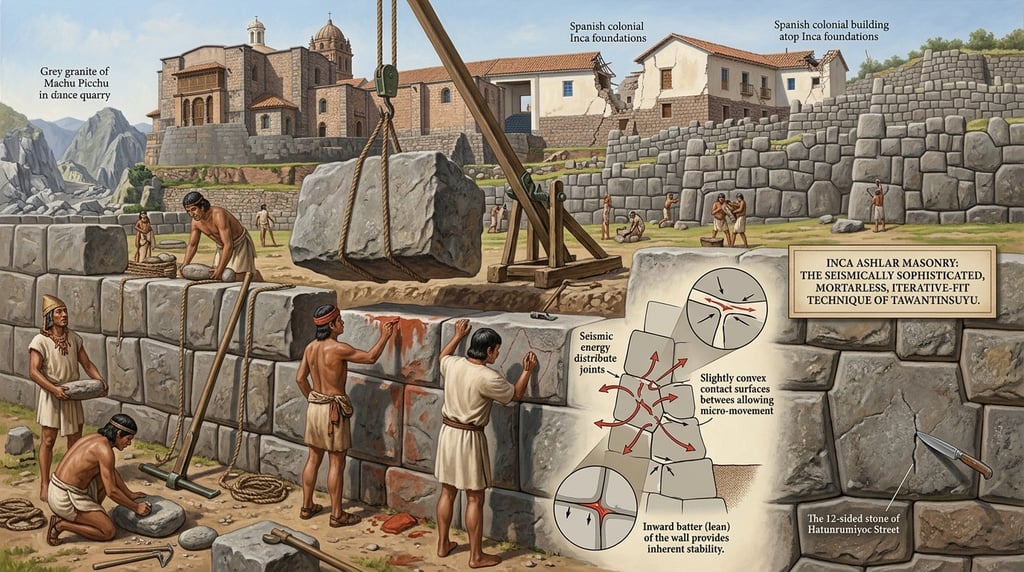
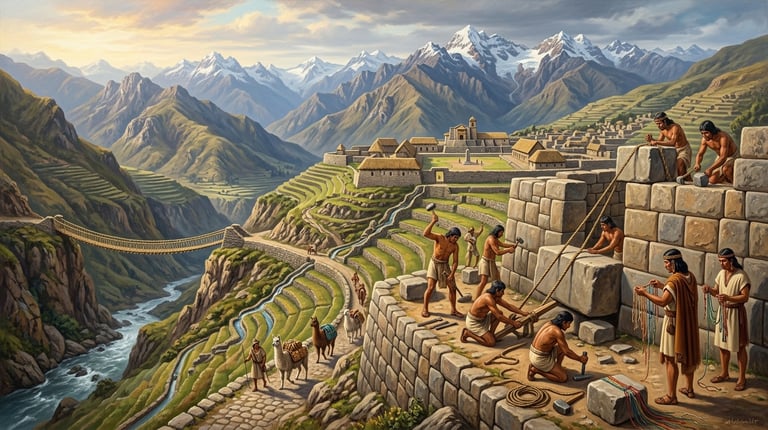
The structures built by the Incas, such as Machu Picchu and Sacsayhuamán, demonstrate an impressive skill in working with stone, utilizing techniques that ensured the durability and stability of the buildings. The precision in joining the stones without the use of mortar highlights the Incas' ability to design structures resistant to earthquakes, which are common in the region. This architectural approach not only revealed a profound knowledge of local geology but also reflected the value the Inca civilization placed on harmony with nature.
Beyond the technical aspect, Inca architecture also possessed strong social and religious symbolism. Temples and plazas were designed to reinforce the hierarchical structure of society, where the presence of the emperor and the worship of the gods were evident in every aspect of urban planning. The layout of the buildings, the choice of locations, and the way they were interconnected reveal the importance of Inca beliefs and values, promoting a cultural identity that endured even after the fall of their empire.
Thus, Inca architecture is more than a simple aesthetic manifestation; it is a testament to the cultural and technological advancement of a people whose legacy continues to fascinate the modern world. The study of architectural remains makes it clear that, for the Incas, building was not just about erecting walls, but about creating a space that reflected and perpetuated their ideals.
Materials Used in Construction
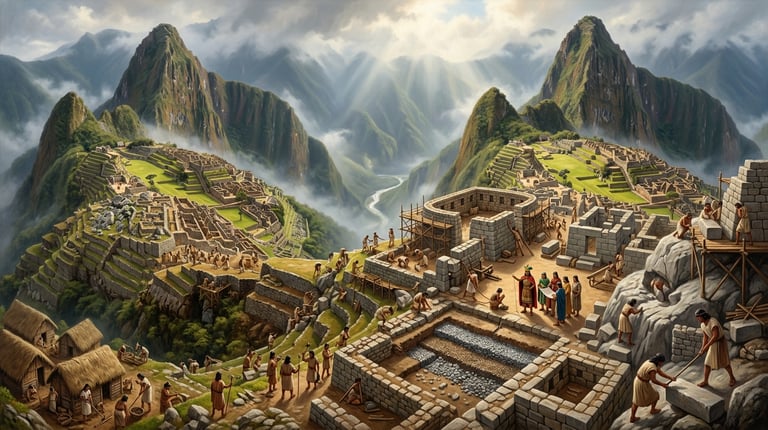
The construction of Machu Picchu, one of the most impressive works of Inca engineering, involved the use of a variety of materials available in the region. The main components, such as granite and limestone, were chosen not only for their durability but also for their availability. Granite, sourced from the surrounding mountains, is especially notable for its strength and its ability to withstand the harsh weather conditions of the Andes.
The Incas, known for their advanced mineral extraction skills, used rudimentary tools, such as stone pickaxes, to remove granite from the rocks. The ability to work with these hard stones was crucial for constructing structures that still remain intact centuries later. In addition to granite, limestone also played a fundamental role. This material was used to shape and embellish the structures, providing a harmonious aesthetic that integrated the buildings into the surrounding landscape.
One of the most intriguing questions about the construction of Machu Picchu is the method used to transport materials to the site. The Incas developed a system of trails and ramps, allowing heavy blocks of granite to be moved across steep terrain. Studies suggest that, to facilitate transport, stones were frequently polished at sites closer to the construction area. This practice not only saved effort but also minimized environmental impact, which was highly considered by the Incas in their constructions.
Combined with the skill of working and transporting these materials, the careful choice of granite and limestone exemplifies the genius of the Incas in construction, creating not just fortresses, but a legacy that endures to this day.
Inca Construction Techniques
Inca engineering is widely recognized for its remarkable construction techniques, evident in the impressive structures of Machu Picchu. The Incas possessed a deep knowledge of the properties of stones, which allowed them to develop effective methods for cutting and transporting rock. They frequently used metal tools, such as bronze, as well as hard stones, like diorite, to perform precise cuts. This skill in working with stone not only resulted in extremely robust buildings but also ensured that the structures were aesthetically pleasing and intimate with the natural environment.
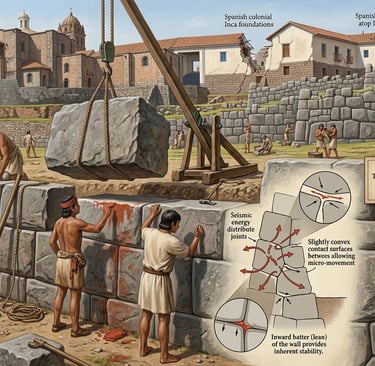
Inca masonry is characterized by the use of large blocks of stone placed in an interlocking manner without the need for mortar. This technique, known as traba or "dry stone," not only gave strength to the buildings but also allowed them to withstand the frequent earthquakes in the region. The rocaques, or stonemasons who handled the stones, had a deep understanding of the alignment and adjustment of the pieces, which guaranteed the durability of the constructions. The buildings in Machu Picchu, such as the Temple of the Condor and the Temple of the Sun, exemplify this technique with their inclined walls that blend harmoniously with the natural contours of the mountainous terrain.
The harmonious interaction between engineering and the natural environment was a priority for the Incas. They applied sustainability principles, such as using local materials and preserving the surrounding vegetation. The constructions were designed to coexist with the landscape, utilizing the topography of the mountains to create an urban plan that served not only a defensive function but also respected the aesthetics of the sacred site. The ability to adapt their buildings to the local geography is a testament to the advanced knowledge that the Incas possessed regarding engineering and architecture long before the arrival of Europeans.
The Role of Geography in Inca Engineering
Geography played a crucial role in Inca engineering, particularly in the constructions at Machu Picchu. Situated in a mountainous region of the Andes Mountain Range, Machu Picchu features rugged terrain, which required the Incas to develop innovative methods to adapt their constructions to the environment. The irregular topography led them to design buildings on terraces, a technique that not only maximized the use of space but also helped control soil erosion and drain rainwater.
The location of Machu Picchu, with its towering mountains and deep valleys, also presents climatic challenges. The region is characterized by a humid climate and variable temperatures, which influence the condition of the structures. To deal with these elements, the Incas implemented an advanced drainage system, using geography to their advantage. With underground channels and a runoff network, they ensured that rainwater would not compromise the integrity of the buildings and adjacent agricultural fields.
Furthermore, the orientation of the buildings took into account factors such as sunlight incidence and prevailing winds. This geographical consideration not only favored construction but also contributed to cultural and religious aspects, allowing several structures to align with significant astronomical events. In this way, Inca engineering emerged not just as a technical solution, but as an expression of the Incas' relationship with the geography of Machu Picchu, reflecting a deep understanding of the environment in which they lived.
Inca Hydraulics: Water Systems in Machu Picchu
The hydraulic engineering of the Incas at Machu Picchu is a remarkable demonstration of the skill and innovation that characterized this pre-Columbian civilization. In a mountainous and often difficult-to-access environment, the Incas developed advanced systems for water catchment and distribution. In Machu Picchu, water did not only serve a utilitarian purpose but also held spiritual and cultural meanings, reflecting the deep connection of the Incas with nature.
The water systems in Machu Picchu include an intricate network of channels, aqueducts, and fountains, which were carefully designed to guarantee the supply of fresh water to the entire city. The system was fed by natural springs, and through an ingenious drainage system, the water was directed to different areas. The aqueducts, often built of stone, were inclined at precise angles to optimize flow and minimize soil erosion. This feature demonstrates not only the technical skill of the Incas but also their profound understanding of local geography.
In addition to being essential for water supply, these hydraulic systems played a fundamental role in the daily lives of Machu Picchu's inhabitants. Water was vital for activities such as agriculture and hygiene, being used to cultivate food within and around the city. With the Incas utilizing terrace farming techniques, the availability of water was crucial for irrigating crops. Efficient water management also contributed to the supply for incense offerings and ritual baths, which were an important part of Inca culture.
Recent studies on these hydraulic systems have revealed the complexity and sophistication of the projects, solidifying the importance of water in Machu Picchu's architecture and in the daily lives of the Incas. The aqueducts and water channels represent not only a technological achievement but also a symbol of harmony between the Incas and their environment.
The Legacy of Inca Engineering
Inca engineering is recognized as one of the most advanced of its time, and its legacy endures in contemporary Latin American architecture and construction. The techniques developed by the Incas, such as the intelligent use of interlocking stones without mortar and adaptation to the natural environment, have become inspirations for new projects that seek to integrate aesthetics and functionality harmoniously. For example, the revitalization of construction techniques in Andean communities demonstrates how ancestral knowledge can be applied to solve modern challenges.
Furthermore, Inca approaches to water drainage and structural safety in seismic zones have been re-evaluated in urbanization projects in regions vulnerable to earthquakes, such as Lima and Quito. The implementation of retaining walls based on Inca principles helps mitigate risks associated with landslides, which are frequent due to intense rainfall. This reflects an appreciation for traditional practices that remain relevant today.
Another significant example is the growing trend of using local and sustainable materials, similar to what the Incas did by using rocks and minerals available nearby. This practice not only reduces environmental impact but also promotes the local economy by decreasing the need to transport materials. Many architecture and engineering firms are drawing direct inspiration from the Inca philosophy of respecting the environment and making buildings more durable and adapted to local climate conditions.
In short, the legacy of Inca engineering transcends time, influencing not only construction practices but also how we understand the relationship between structure and nature throughout Latin American history. The success of Inca ideas in solving modern problems stands as a testament to the brilliant wisdom of this ancient civilization.
Challenges and Preservation of Machu Picchu
Machu Picchu, one of the seven wonders of the modern world, faces numerous challenges that threaten its preservation and integrity as a world heritage site. The significant increase in tourism has been one of the most impactful factors. Annually, millions of visitors flock to see its breathtaking views and Inca history, but this influx can result in physical wear and tear on the structures and soil erosion. Consequently, the administration of the archaeological site faces the complex task of balancing accessibility for tourists with the protection of this important cultural legacy.
In addition to tourism, environmental conditions around Machu Picchu also present major challenges. The mountainous location makes the area susceptible to landslides and climate changes, which can accelerate the deterioration of buildings and local vegetation. Historically, the lack of a sustainable management plan contributed to the degradation of some components of the site. Therefore, effective strategies are essential to ensure long-term conservation.
In response to these challenges, several initiatives have been implemented. The Peruvian government, in collaboration with international organizations, has developed programs aimed at monitoring the impact of tourism. Measures include limiting the number of daily visitors, promoting visits at alternative times, and educating tourists about the importance of preserving the site. Additionally, infrastructure projects have been launched to reinforce the safety of the structures and minimize risks associated with landslides.
These initiatives are fundamental to ensuring that Machu Picchu continues to be not only a tourist destination but also a testament to the ingenuity and culture of the Incas, thereby preserving their history for future generations.
📚 Continue Exploring Key Points in History:
Sparta or Athens?
Mayan Civilization
The Pax Romana
Curiosities about the Kingdom of Kush
Mali Empire
contato@pontoschavedahistoria.com.br
© 2026. All rights reserved.