

Gladiator Diet
What Did Roman Fighters Really Eat?
Pontos Chave da História
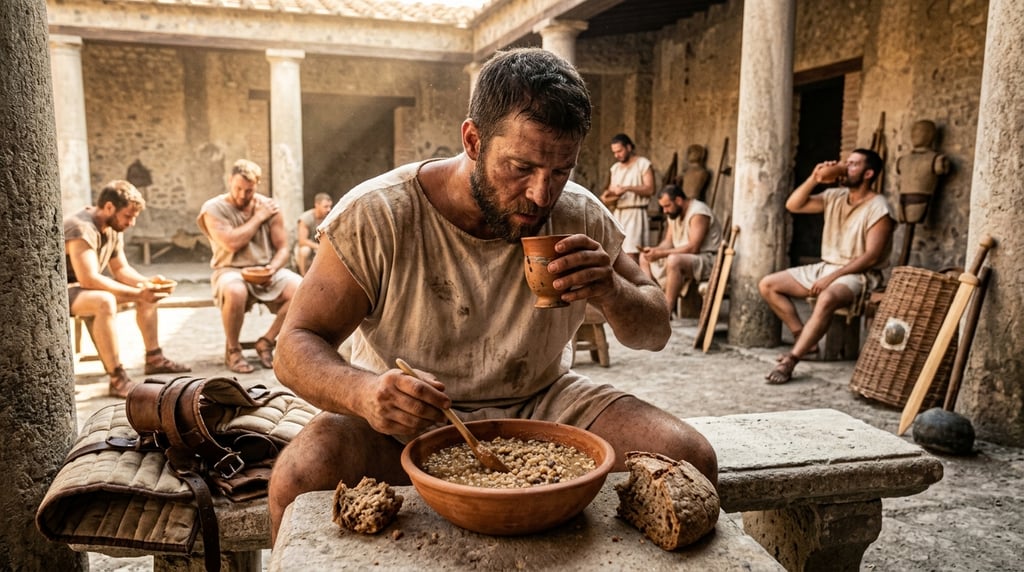
The True "Barley Men"
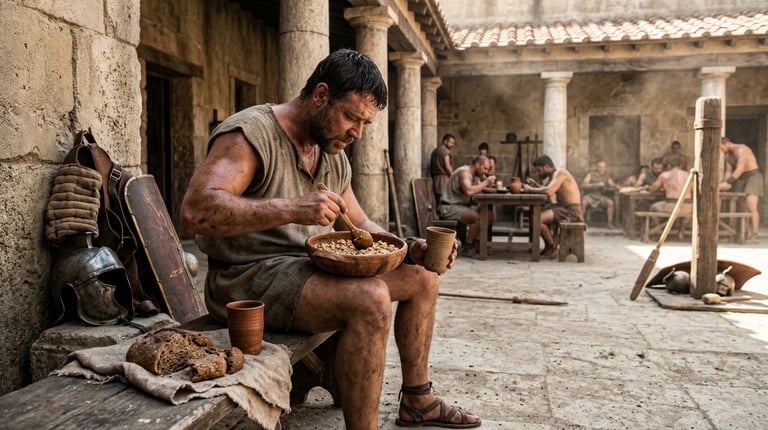
Forget the Hollywood image of gladiators devouring enormous pieces of meat before entering the arena. The reality of these warriors’ diets in Ancient Rome was very different — and far more fascinating. Gladiators were often called hordearii, literally meaning "barley men", a nickname that reveals much about their true diet: one based on grains, legumes, and a carefully calculated nutritional strategy.
Far from being merely brutalized slaves thrown into arenas to die, gladiators represented valuable investments. A trained gladiator could cost the equivalent of dozens of years’ wages for an ordinary worker. Therefore, their food was not left to chance — it was a matter of economics, spectacle, and survival. In a world without modern supplements or scientific knowledge of nutrition, the Romans developed a dietary system capable of supporting bodies subjected to brutal training and potentially deadly combat.
The gladiatorial diet was not simply a matter of nutrition; it was part of a complex social system that reflected hierarchies, regional food availability, sponsorship, and prestige. Understanding what these men ate provides a unique window into daily life in Ancient Rome, revealing how food was deeply connected to social status, military discipline, and the very nature of the spectacle that shaped Roman identity.
The Nutritional Foundation: Grains, Legumes, and the Energy of Survival
Cereals as the Nutritional Foundation
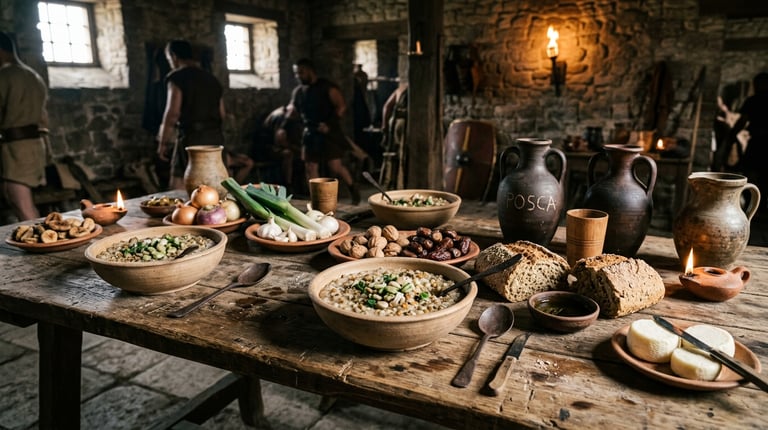
The backbone of the gladiatorial diet was made up of cereals, especially barley (hordeum) and wheat (triticum). Barley, in particular, was the preferred grain — cheaper than wheat and incredibly nutritious. Rich in complex carbohydrates, fiber, and proteins, barley provided sustained energy essential for training sessions that could last up to eight hours a day.
These grains were rarely consumed as elaborate breads. Instead, they appeared mainly as thick porridges (known as puls), stews, and simple mixtures that were easy to prepare in large quantities and quick to digest. Archaeological evidence suggests that barley porridge was often enriched with olive oil, herbs, and salt, creating a calorie-dense and flavorful meal suitable for daily consumption.
When available, wheat was used to make denser and stronger breads than the refined breads eaten by wealthy Romans. These breads were darker, richer in fiber and nutrients, and could be stored for longer periods — an important logistical advantage in the ludus (gladiator schools) that housed hundreds of men.
Legumes: The Proteins of the Common People
Legumes formed the second pillar of the gladiatorial diet. Lentils, peas, beans, and chickpeas were regularly consumed, providing high-quality plant proteins and essential amino acids that complemented the proteins found in cereals.
This combination — grains + legumes — created an almost complete protein profile, a nutritional discovery the Romans achieved through experience centuries before modern science explained the reasons behind it.
Legumes were mainly prepared as thick stews seasoned with garlic, onions, and aromatic herbs such as oregano and thyme. These dishes were not only nutritious but also flavorful and filling. In addition, legumes provided fiber that supported digestion and helped maintain satiety — essential for men who needed to maintain proper body weight and muscle mass.
Another advantage of legumes was their ability to be stored. When dried, they could last for months without spoiling, ensuring a constant food supply even during shortages or when a ludus traveled between cities for performances.
The Strategy Behind Carbohydrates
The dominance of carbohydrates in the gladiatorial diet was not accidental. Their training was intense and prolonged, including exercises with heavy weapons, running, endurance fighting, and repeated combat movements. This type of activity required both rapid and sustained energy release — exactly what complex carbohydrates provide.
Furthermore, a carbohydrate-rich diet encouraged the development of body mass, including some subcutaneous fat. For a gladiator, this was not merely an aesthetic issue — it was strategic.
An additional layer of fat beneath the skin could help absorb superficial cuts and reduce minor bleeding without significantly affecting mobility or strength. It was, literally, a "natural armor" that complemented the physical protection provided by their equipment in the arena.
Animal Proteins: Strategic Luxury and a Symbol of Status
Meat as a Reward and a Tool
Contrary to popular belief, meat was not the center of the gladiatorial diet — but its presence or absence revealed much about a fighter’s social status. Pork, lamb, poultry, and occasionally beef appeared on their tables, but mainly for elite gladiators or as rewards for important victories.
Pork was the most common type of meat when available, because it was relatively inexpensive and provided both protein and fat — two valuable nutrients for men subjected to extreme physical stress. Lamb provided lean protein and was considered more prestigious. Birds such as chickens and ducks supplied high-quality protein and were easier to raise on a small scale inside or near the ludus.
Beef was rare and expensive, generally reserved for special occasions or exceptionally valuable gladiators. When consumed, it was often prepared in stews or long-cooked dishes that made the meat softer and easier to digest.
Fish: The Protein Source of Coastal Ludus
Gladiators training in coastal cities had more frequent access to fish, a more affordable source of protein compared to land animals.
Fish such as sardines, tuna, and various Mediterranean species provided not only protein but also essential fatty acids that supported muscle recovery and cardiovascular health.
Fish was often preserved with salt or prepared as fermented sauces, such as garum, allowing longer storage and adding a rich umami flavor to grain-based meals.
Eggs: Concentrated and Accessible Protein
Eggs, especially chicken eggs, were a regular source of high-quality protein in the gladiatorial diet.
Easy to produce, store, and prepare, eggs provided all essential amino acids in a concentrated nutritional package. They were eaten boiled, used as ingredients in bread, or mixed into porridges to increase their protein content.
Vegetables, Fruits, and Micronutrients: The Natural Medicine of the Arena
Vegetables: More Than Just Side Dishes
Vegetables played a crucial role in maintaining gladiators’ health, providing vitamins, minerals, and antioxidants essential for muscle recovery and immune function.
Onions and garlic were consumed regularly, not only for flavor but also because of their antimicrobial properties — especially important in environments where many men lived in close quarters.
Cabbage was particularly valued and was considered by Romans to be a kind of “universal medicine.” Rich in vitamin C and anti-inflammatory compounds, it helped with healing and maintaining overall health.
Beets provided natural sugars and minerals, while turnips and radishes added variety and specific nutrients to meals.
Leafy green vegetables such as chard and ancient varieties of kale supplied iron, calcium, and folate — essential nutrients for men who regularly lost blood through minor and major injuries.
Fruits: Natural Energy and Vitamins
The fruits consumed by gladiators varied according to season and region, but some were especially valued.
Fresh or dried figs were rich in natural sugars and provided quick energy before training sessions. Grapes supplied not only carbohydrates but also antioxidants that helped recovery.
Apples and pears were eaten when available, while early citrus fruits provided essential vitamin C for maintaining immune function.
Dates and other dried fruits served as concentrated energy sources and could be stored for long periods.
Herbs and Spices: The Kitchen Pharmacy
The Romans did not clearly separate food from medicine, and this was reflected in the generous use of herbs and spices in the gladiatorial diet.
Oregano, thyme, basil, and parsley improved the flavor of repetitive meals while also providing anti-inflammatory and antimicrobial compounds.
Coriander and cumin were used both for digestion and seasoning, while mint helped with stomach problems common in high-fiber diets.
These herbs were often cultivated inside the ludus, ensuring a fresh supply while reducing costs.
Ancient Supplementation: Minerals, Ashes, and the Mysteries of Roman Nutrition
Bone Powder and the Search for Calcium
One of the most intriguing discoveries about the gladiatorial diet comes from analyses of skeletons found in gladiator cemeteries.
These bones show unusually high levels of calcium, suggesting deliberate supplementation of this mineral. Historical sources and archaeological evidence point to the use of animal bone ashes and bone powder mixed into meals.
This practice made medical sense, even without modern knowledge of osteoporosis or bone health. Gladiators suffered repeated impacts, fractures, and trauma that required strong bones capable of healing properly.
Additional calcium helped not only maintain bone density but also supported recovery after injuries.
Plant Ashes and Essential Minerals
Besides calcium, there is evidence that certain plant ashes were used as sources of potassium, magnesium, and other minerals.
The ashes were obtained by completely burning specific plants and then mixing small amounts into meals or drinks.
This primitive form of mineral supplementation demonstrates an intuitive understanding that bodies under extreme physical stress required more than just calories and protein — they needed a complete range of nutrients to function properly.
Special Preparations for Recovery
Ancient texts mention special preparations given to gladiators after fights or particularly intense training sessions.
These included diluted vinegar drinks (rich in minerals), herbal infusions, and enriched porridges containing ingredients considered medicinal.
Social Hierarchy and Dietary Differences
The Elite of the Arena: Star Gladiators and Their Premium Diets
Not all gladiators were equal, and this was dramatically reflected in their diets.
The primi palus (first-class gladiators) and those who achieved fame and frequent victories enjoyed significantly better food. These men had more regular access to meat, fresh fruits, higher-quality wines, and even special delicacies.
Famous gladiators such as Spartacus before his rebellion, or Flamma, who refused freedom four times, likely had diets that included higher-quality meats, fresh fish, cheeses, and even honey — ingredients that increased both nutritional value and the pleasure of their meals.
These elite gladiators also had access to personal cooks or specialized chefs who prepared more elaborate and flavorful dishes. It was a tangible incentive for excellence, a way of keeping the best fighters satisfied and motivated.
The Majority of Fighters: Surviving on the Basics
Most gladiators — newly arrived slaves, prisoners of war, condemned criminals, and desperate volunteers — lived on a well-managed basic diet.
Their food consisted mainly of the traditional combination of barley, legumes, and vegetables, with meat appearing occasionally and in small portions.
For these men, food was pure fuel: designed to keep the body functioning and the mind focused, without luxury or significant variation.
The meals were practical but not miserable — after all, even “ordinary” gladiators represented considerable investments in training and equipment. Their owners had a financial interest in keeping them strong and healthy.
Regional Variations: How Geography Shaped the Menu
The gladiatorial diet varied significantly depending on the location of the ludus.
Gladiators training in Gaul (modern-day France) had access to different grains and game meats.
Those in Hispania (modern-day Spain) consumed more olive oil and Mediterranean fruits.
Ludus facilities in Africa incorporated local grains such as sorghum and millet.
These differences were not only related to availability — they also reflected local culinary traditions and the intelligent adaptation of administrators to regional resources.
A well-managed ludus used the most nutritious and economical local foods while maintaining the fundamental principles of gladiatorial nutrition.
Food Rituals and the Discipline of the Ludus
The Meal as a Group Ritual
Eating in the ludus was not merely an individual activity — it was a collective ritual that reinforced hierarchy, created bonds, and maintained discipline.
Meals were served at strictly scheduled times, often after training sessions, creating a structured routine that organized the entire day.
Gladiators ate in groups determined by experience, specialization, or status. Veterans were served first, followed by intermediate fighters and finally beginners.
This order reinforced internal hierarchy and created clear incentives for improvement and excellence.
The act of eating together also created fraternitas — a brotherhood among men who might have to fight for their lives the following day.
Sharing food created bonds that surpassed ethnic origin, language, or previous social status. Inside the arena, this sense of unity could mean the difference between survival and death.
Meal Times and Dietary Discipline
The timing of meals followed the rhythm of training.
The first meal (ientaculum) was light — often bread with olive oil, fruit, or simple porridge.
Its purpose was to provide initial energy without overloading the stomach before morning exercises.
The main meal (cena) occurred after the primary training sessions, usually early in the afternoon.
This was when gladiators consumed most of their daily calories — substantial porridges, legume stews, vegetables, and whatever meat was available.
A smaller meal (vesperna) was sometimes served at the end of the day, especially for injured gladiators or those undergoing special night training.
Fasting and Mental Preparation
Interestingly, some sources mention periods of fasting before important fights.
This was not starvation — it was a form of physical and mental preparation.
A not completely full stomach reduced nausea caused by nervousness and allowed greater agility.
Fasting also had ritual aspects, creating a focused and determined mental state.
These fasting periods were carefully monitored by the doctores (trainers) and medici (physicians) of the ludus, ensuring that they did not compromise the gladiator’s strength or endurance.
Myths vs. Reality: Debunking Gladiatorial Nutrition
The Myth of the Meat-Based Diet
The greatest myth about gladiatorial nutrition is that it was centered around meat.
Movies and popular books often portray warriors devouring enormous pieces of raw or undercooked meat before combat.
The reality was completely different.
Meat was expensive, perishable, and difficult to store in large quantities. Even elite gladiators did not eat meat every day.
The foundation of their diet was always plant-based — grains and legumes — with animal protein serving as a valuable supplement rather than the main source of nutrition.
This plant-heavy diet was not a limitation — it was an intelligent nutritional strategy.
Plant foods provided sustained energy, digestive fiber, and a wide range of micronutrients, all at a much lower cost than a meat-based diet.
The Myth of a Uniform Diet
Another common misconception is that all gladiators ate exactly the same foods.
In reality, there were significant variations based on:
Status and performance: successful gladiators received better meals.
Specialization: different gladiator types (retiarii, murmillones, thracians) may have had slightly different nutritional needs.
Region and historical period: local availability and changing circumstances affected menus.
Individual health: injured gladiators received modified diets.
Special occasions: festivals and important games could include special meals.
The Truth About Alcohol in the Gladiatorial Diet
Contrary to another popular belief, alcohol was not forbidden for gladiators.
Diluted wine (posca) was consumed regularly, but in controlled amounts. It provided calories, helped with digestion, and had antimicrobial properties that reduced the risk of certain illnesses.
However, drunkenness was severely punished. Drunk gladiators represented a danger to themselves, their training partners, and the investment made by their owners.
Alcohol consumption was moderate and carefully monitored, serving a practical purpose rather than being a source of excess.
Supplementation: More Sophisticated Than It Appears
Mineral supplementation among gladiators was not primitive or accidental.
Ancient texts reveal that Romans possessed a surprisingly advanced empirical understanding of nutrition. They knew that different foods affected strength, endurance, and recovery in specific ways.
The addition of bone ash for calcium, specific herbs for digestion, and special recovery preparations demonstrate a form of nutritional medicine that was remarkably effective, even without modern scientific knowledge.
Preparation and Logistics: The Food Machine of the Ludus
Industrial Kitchens of the Ancient World
The large ludus facilities were complex operations responsible for feeding hundreds of men every day.
Their kitchens were essentially industrial spaces for the ancient world, equipped with large ovens, enormous cooking vessels, and storage systems that were highly advanced for their time.
Food preparation began before sunrise, with specialized workers preparing large quantities of porridge, cooking legumes that had been soaked overnight, and baking bread.
It was a coordinated operation that needed to function like a machine in order to keep hundreds of gladiators properly nourished.
Storage and Food Preservation
Keeping food fresh and safe for so many people was a massive logistical challenge.
The Romans developed sophisticated preservation techniques:
Grains
Stored in large clay containers (dolia) that protected them from rodents and moisture.
Dried legumes
Kept in suspended bags to prevent pests and contamination.
Meat
Preserved with salt, smoked, or transformed into preserved products such as sausages.
Vegetables
Some were fermented for long-term preservation, while others were consumed fresh according to seasonal availability.
Suppliers and Economy
Large ludus facilities had regular contracts with farmers, merchants, and local producers.
It was a profitable business — a major gladiator school could consume tons of grain every month, representing a stable and significant source of income for local suppliers.
Some ludus even had their own farms or gardens, producing part of the food they consumed.
This reduced costs and provided greater control over the quality and availability of ingredients.
Legacy and Influence: Echoes of the Gladiatorial Diet
Influence on Roman Military Nutrition
The lessons learned from feeding gladiators influenced the nutrition of Roman legions.
The emphasis on durable grains, nutritious legumes, and mineral supplementation also appeared in military supplies, adapted for soldiers on campaign.
The concept of carefully planned nutrition designed for maximum physical performance, developed in the ludus, was applied to the Roman army, contributing to its effectiveness and longevity as a military force.
Echoes in Modern Sports Nutrition
Surprisingly, many principles of the gladiatorial diet resemble modern sports nutrition:
Nutritional periodization: different diets for training, competition, and recovery.
Mineral supplementation: calcium, magnesium, and other minerals for bone and muscle health.
Carbohydrates as a foundation: sustained energy for long-duration training.
Protein for recovery: amino acids for muscle repair and growth.
Natural antioxidants: fruits and vegetables to reduce inflammation.
Lasting Cultural Influence
The image of the gladiator as a powerful warrior has influenced Western ideas about food, strength, and masculinity.
Although many of these influences are based on myths — such as the obsession with meat — they have shaped cultural attitudes toward diet and physical power that continue to exist today.
Lessons From a Thousands-Year-Old Diet
The gladiatorial diet reveals a fundamental truth:
Effective nutrition does not need to be complicated — it needs to be intelligent.
With simple ingredients — grains, legumes, vegetables, fruits, and occasionally meat — the Romans created a food system capable of sustaining some of the most physically demanding athletes in history.
What can we learn from them?
1. Complex carbohydrates are essential for prolonged high-intensity activities
The gladiators depended on grains such as barley and wheat to maintain energy during exhausting training sessions.
2. Plant-based proteins can meet many nutritional needs when properly combined
The combination of grains and legumes created a balanced protein source.
3. Mineral supplementation is important for bodies under extreme physical stress
Gladiators understood the value of strengthening their bodies from within.
4. Variety within simplicity maintains both nutrition and morale
Even basic meals could provide health and satisfaction when properly prepared.
5. Dietary discipline is as important as training discipline
A strong body requires consistency both inside and outside the arena.
The Final Lesson of the Gladiatorial Diet
The gladiators’ diet also teaches us about adaptability — how to use available resources to create proper nutrition.
In a world filled with expensive supplements and complicated dietary trends, there is something remarkably practical about the Roman approach:
Whole foods, simple preparation, disciplined consistency, and intelligent adaptation to individual needs.
More than anything, gladiatorial nutrition reminds us that food has always been much more than fuel.
It represented identity, discipline, reward, medicine, and social connection.
For gladiators, food was literally a matter of life and death — and perhaps that is why they achieved so much with such limited knowledge compared to modern science.
Today, when we face our own battles — whether in the gym, at work, or in everyday life — we can draw inspiration from the practical wisdom of these ancient warriors:
Eating well is not about perfection. It is about consistency, intelligence, and respecting the body that carries us through every battle of life.
contato@pontoschavedahistoria.com.br
© 2026. All rights reserved.