
5 Myths About the Vikings
Debunking Viking History
The Vikings and Their Reputation
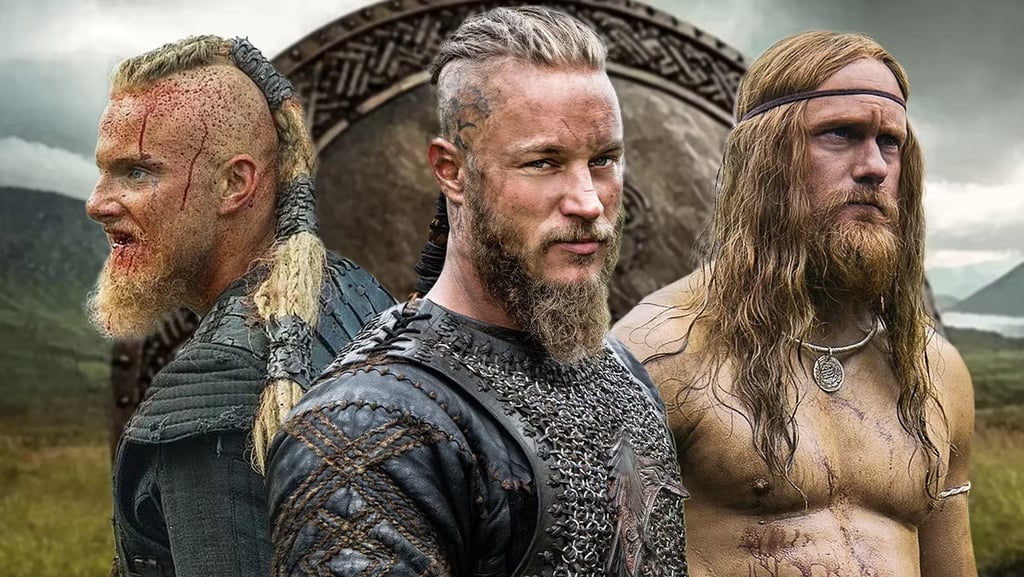
The figure of the Vikings occupies a prominent place in popular culture, often being associated with the image of fierce warriors and bloodthirsty invaders. This representation, rooted in stereotypes, originated from the accounts of medieval chroniclers who described the Vikings as merciless, contributing to a distorted perception of Norse society. Over the centuries, many aspects of Viking civilization have been shaped more by contemporary imagination than by historical reality.
The Vikings, also known as the Scandinavians of the Viking Age (approximately 793–1066 AD), were explorers, traders, and settlers from Norway, Denmark, and Sweden. Rather than simply invading and pillaging, they established vast trade networks and founded settlements in various parts of Europe and even in North America. The image of violent barbarians fails to consider the nuances that should be taken into account when studying their history.
The Viking Age was not only defined by conflicts and raids but also by innovations in navigation and cultural exchanges. The Vikings founded important cities such as Kiev and Dublin, which became centers of trade and culture. Norse architecture, religion, and art are also part of a complex and multifaceted legacy that challenges popular stereotypes. The negative perception often associated with them has more to do with the tendency to demonize enemies during times of conflict than with the true nature of their society.
Therefore, understanding the reputation of the Vikings requires a critical analysis of historical sources and a departure from the myths surrounding them, helping to reveal a more accurate view of this fascinating civilization.
Myth 1: The Vikings Were Only Pirates
The common belief that Vikings were exclusively pirates is an oversimplification of their true history. Although violent raids and their reputation as plunderers dominate popular memory, this image does not represent the wide range of activities that Vikings actually carried out. During the Viking Age, which lasted approximately from the late 8th century to the 11th century, these Norse peoples were not limited to raiding; they were also entrepreneurs, merchants, and settlers.
The Vikings' navigation skills were remarkable. They developed advanced ships, known as longships, which allowed them to explore and trade across different regions of the world, from North America to the coasts of Russia and the Mediterranean. This demonstrates that their maritime abilities were used not only for warfare but also for commerce. Vikings traded goods such as furs, agricultural products, and precious metals with more developed societies, including the British kingdoms and the Byzantine Empire.
Furthermore, Viking colonization created a lasting presence in several regions. For example, England and parts of Russia became important areas of settlement, where Vikings established communities such as the Danelaw in England. This shows that, rather than being only raiders, Vikings were also interested in building societies and engaging in cultural exchange.
Therefore, reducing Viking identity to the role of pirates ignores the complex aspects of trade, exploration, and colonization that defined this civilization. A more complete narrative reveals a rich culture that made remarkable contributions to the history of Europe and beyond.
Myth 2: The Vikings Wore Horned or Bone-Covered Helmets
The popular image of the Vikings, often portrayed in movies and television shows, suggests that they wore helmets decorated with horns or strange bone-like structures. However, this representation has no support in historical or archaeological evidence. In reality, Viking helmets had a much more practical and functional design, reflecting the needs of warriors in combat and protection.
The helmets used by the Vikings were primarily made of metal, with many examples discovered among archaeological artifacts. Studies indicate that these helmets were usually crafted from iron, with a shape designed to provide good visibility and ventilation. Although some helmets featured decorative elements, such as engravings or subtle ornaments, there is little evidence suggesting the use of horns or exaggerated designs. Today, historians believe that the idea of horned Viking helmets emerged during the 19th century, influenced largely by romantic literature and theatrical productions.
The Vikings were known for their advanced metalworking skills and for producing high-quality weapons and armor. The helmets discovered through excavations, such as the famous Gjermundbu helmet, featured a solid and efficient design, without the fantastical decorations often associated with them. This approach reflected the practical mindset of Viking warriors, who focused on survival and victory in battle. Therefore, the horned helmet image represents more of a dramatic artistic creation than historical reality.
Myth 3: The Vikings Were Savage Foreigners Without Culture
Contrary to the common perception that Vikings were merely brutal warriors, a deeper analysis reveals that Norse society possessed a rich and complex culture. The Vikings were not only invaders; they were also explorers, traders, farmers, craftsmen, and settlers who developed their own traditions and knowledge over centuries.
Norse mythology, for example, played a central role in Viking daily life. Gods such as Odin, Thor, and Freyja influenced not only individual beliefs but also social relationships and community practices. These religious traditions were preserved through stories and legends that reveal a society with its own values, philosophies, and worldview.
Furthermore, Viking art serves as evidence of the complexity of their civilization. The Vikings were highly skilled in working with metals, wood, and precious materials, creating jewelry, weapons, ships, and artifacts that were not only functional but also artistic. Their detailed carvings and intricate decorations demonstrate craftsmanship comparable to that of other advanced cultures of their time. Their artistic influence continues to inspire modern interpretations of Viking life beyond the stereotype of barbarism.
The Norse sagas are another important example of their cultural achievements. Written in prose and poetry, these stories documented social relationships, legendary heroes, and historical events. They demonstrate the importance of storytelling and literature as a way of preserving knowledge and cultural identity.
Therefore, far from being uncultured outsiders, the Vikings were part of an organized society with remarkable artistic, literary, and intellectual traditions. Their contributions continue to influence how we understand the medieval world today.
Myth 4: The Vikings Were Exclusively Men
The stereotype that Viking society was controlled entirely by men is a misconception that ignores the important roles women played in various aspects of Scandinavian life. Although male warriors are often the main focus of historical accounts and popular stories, Viking women also held significant positions and responsibilities, challenging the idea of a completely male-dominated society.
Viking women were not only wives and mothers; they could also be landowners, administrators, traders, and, in exceptional cases, warriors. Archaeological discoveries, including graves containing weapons and warrior-related objects, have suggested that some women may have participated in combat, often referred to in legends as shieldmaidens. These findings challenge the idea that women were restricted to secondary roles.
Women also played crucial roles in the Viking economy. They managed households, produced clothing, handled agricultural activities, and maintained communities while men were away on expeditions. As influential members of their societies, some women could make important decisions and even organize the defense of their homes and lands during times of conflict.
This demonstrates the complexity of Viking social structures, which are often underestimated by simplified portrayals. Recognizing the role of women in Viking society is essential for understanding the full picture of this civilization. Their contributions were fundamental to the survival and development of Norse communities.
Myth 5: The Viking Age Was Short and Unimportant
The Viking Age, often remembered as a brief period of raids and conquests, actually lasted from approximately 793 AD to 1066 AD. During this time, Norse societies not only explored and invaded new lands but also created trade networks and established settlements that influenced Europe for centuries.
The idea that the Viking Age was insignificant ignores the enormous cultural, political, and economic impact these people had. Their activities contributed to the development of several European regions. Norway, Sweden, and Denmark emerged as powerful kingdoms shaped by traditions and customs that originated during the Viking period.
Beyond politics and warfare, Viking influence extended into language, art, mythology, and commerce. Old Norse words became part of several European languages, while their legends and traditions continue to appear in modern literature, films, and popular culture. Their innovations in shipbuilding and navigation also transformed exploration and trade across the medieval world.
Therefore, describing the Viking Age as a short and insignificant chapter of history fails to recognize its lasting impact. The Vikings played a crucial role in shaping the societies that followed, leaving behind a legacy that remains visible in the modern world.
The Legacy of the Vikings
The Vikings, often associated with images of brutal warriors and ruthless invaders, left behind a legacy that extends far beyond their famous raids. With the growing popularity of television series, films, and books, modern culture has renewed interest in these fascinating people. However, it is important that these representations do not distort the complexity of their true history.
Modern stories often focus heavily on violence and conquest, but the Vikings were also explorers, merchants, craftsmen, and innovators. Their achievements included navigating vast oceans, establishing trade routes across Europe, and reaching North America centuries before Christopher Columbus.
The Viking legacy can also be seen in language, traditions, and cultural influences that remain today. Many words in the English language have Norse origins, and elements of their mythology and customs continue to inspire modern celebrations, literature, and entertainment. Museums, historians, and documentaries continue to work toward presenting a more accurate understanding of who the Vikings truly were.
Ultimately, studying the Vikings requires looking beyond myths and stereotypes. By exploring historical evidence and separating fact from fiction, we gain a deeper appreciation for one of the most fascinating civilizations of the medieval world. Their story is not only about battles and invasions but also about exploration, innovation, culture, and the lasting connections they created across continents.


contato@pontoschavedahistoria.com.br
© 2026. All rights reserved.